Unpacking How Real-Time Odds Adjustments Shape Bettor Strategies in Regulated Digital Markets
Written by Yara Berger · May 20, 2026

Unpacking How Real-Time Odds Adjustments Shape Bettor Strategies in Regulated Digital Markets
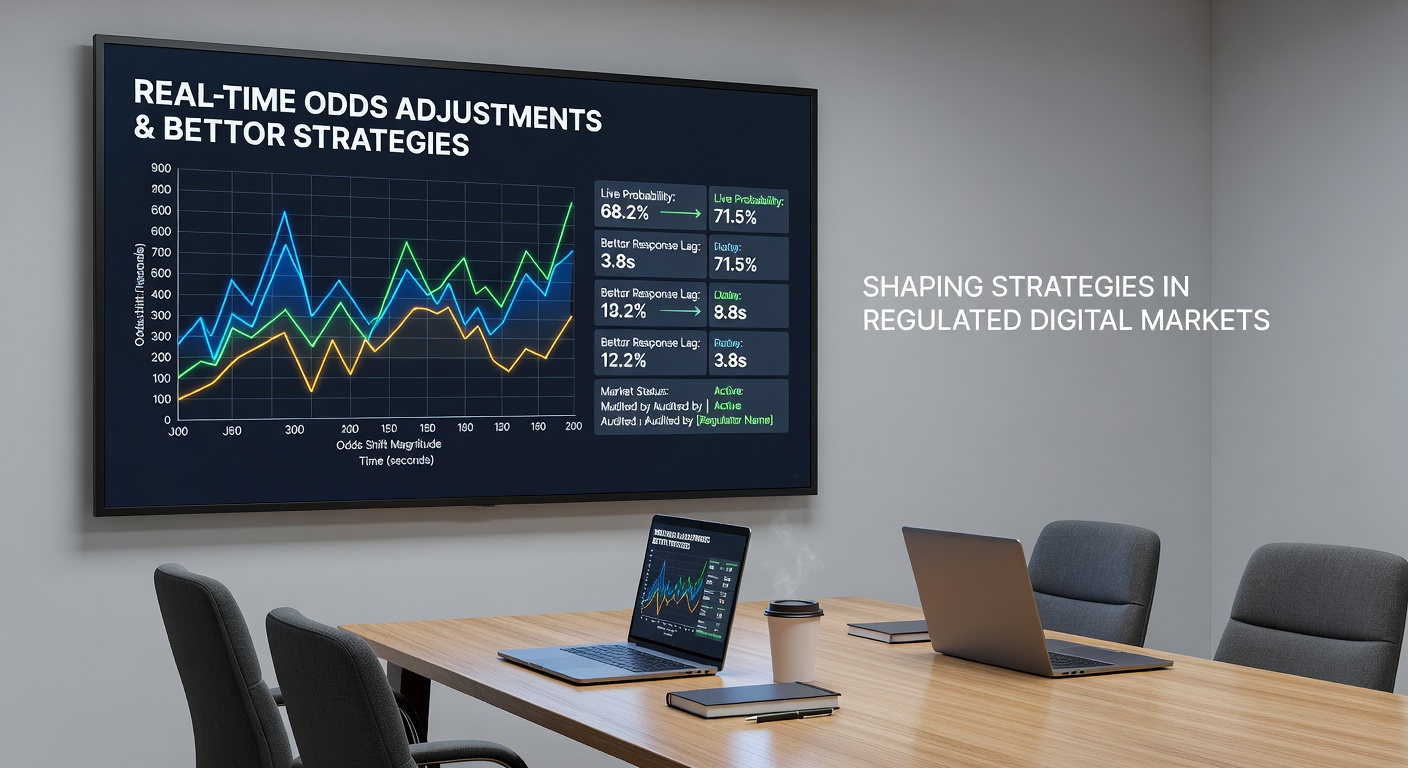
Regulated digital betting platforms rely on sophisticated algorithms that recalibrate odds within seconds of new information arriving, whether from on-field developments or incoming wagers, and this constant flux forces participants to rethink timing and position sizing in ways that static pre-match lines never required. Observers note that bettors who once placed single wagers hours before an event now monitor multiple lines simultaneously, adjusting stakes as probabilities shift in real time.Mechanics Behind Continuous Recalibration
Operators integrate live data feeds from stadium sensors, official scorekeepers, and betting volume trackers into pricing engines that update every few seconds, so a sudden injury or weather change can move a point spread by half a point before most users finish reading the notification. Researchers at major universities have documented how these engines weigh not only game events but also the distribution of recent bets, which prevents sharp money from exploiting outdated numbers for long. In May 2026 several North American operators rolled out enhanced models that factor in social-media sentiment signals, further accelerating the speed at which public money influences displayed prices.
Strategic Shifts Among Regular Participants
Bettors who succeed in this environment tend to break large intended stakes into smaller increments, entering positions gradually as lines stabilize after each wave of adjustments. This approach reduces exposure to immediate swings yet demands constant attention and reliable connectivity, resources that casual participants often lack. Data from regulated markets in New Jersey and Pennsylvania show that average bet size in live markets has declined while the number of individual wagers per account has risen, reflecting precisely this fragmentation strategy.
Timing and Hedging Behaviors
Participants frequently open an initial position at one set of odds then place offsetting bets later when the line moves in their favor, locking in profit without waiting for the final outcome. Such hedging becomes viable only because platforms refresh prices rapidly enough to create short-lived inefficiencies between correlated markets. Those who have studied transaction logs note that the most effective hedgers monitor multiple sportsbooks at once, capitalizing on the brief moments when one operator has not yet matched a competitor’s adjustment.
Regulatory Frameworks and Market Integrity
Regulators require operators to maintain transparent audit trails of every odds change, allowing authorities to distinguish between legitimate data-driven movements and attempts to manipulate perception. In Canada, provincial oversight bodies have begun publishing quarterly summaries of adjustment frequency by sport, giving the public visibility into which events experience the greatest volatility. These disclosures help researchers identify patterns where rapid shifts correlate with higher hold percentages, information that experienced bettors now incorporate when deciding which contests merit attention.
European regulators, including those in Malta and Spain, have introduced rules limiting the maximum frequency of certain odds revisions during high-profile matches, aiming to preserve a window for bettors to react before prices move again. Such measures illustrate how oversight and technology continue to co-evolve, each shaping the tactics available to participants on the other side of the transaction.
Technology Infrastructure Supporting the Ecosystem
Cloud-based pricing engines now handle millions of micro-adjustments per minute across thousands of concurrent events, relying on low-latency networks that deliver updates to user devices faster than traditional broadcast delays. When connectivity falters, even skilled bettors find themselves reacting to stale information, which explains why operators invest heavily in redundant data routes. Studies conducted by academic teams in Australia have measured latency differences across devices and found that mobile users on 5G networks consistently capture more favorable prices than those on older connections during the same event window.
Examples from Recent Seasons
During a high-stakes basketball playoff series in 2025, one operator’s live total line moved more than four points in under ninety seconds following a single timeout and injury substitution, prompting rapid reallocation of wagers among users who tracked both the score and the betting flow simultaneously. Similar volatility appeared in European soccer leagues where late red cards triggered cascading adjustments across handicap, goal-line, and player-prop markets at once. Bettors who maintained diversified exposure across related lines rather than concentrating on a single outcome managed to limit losses when the final score diverged from initial expectations.
Conclusion
Real-time odds adjustments have become a defining feature of regulated digital markets, compelling participants to develop faster decision frameworks, smaller position increments, and multi-platform monitoring habits. Regulatory requirements for transparency and technological investments in low-latency infrastructure continue to shape the boundaries within which these strategies operate. As data collection and algorithmic sophistication advance, the interplay between price movements and bettor responses will remain a central dynamic for everyone involved in these environments.