Population Trends Reshaping Payment Options Across Legal Online Wagering Platforms
Written by Cameron Zimmermann · Aug 17, 2026
Population Trends Reshaping Payment Options Across Legal Online Wagering Platforms
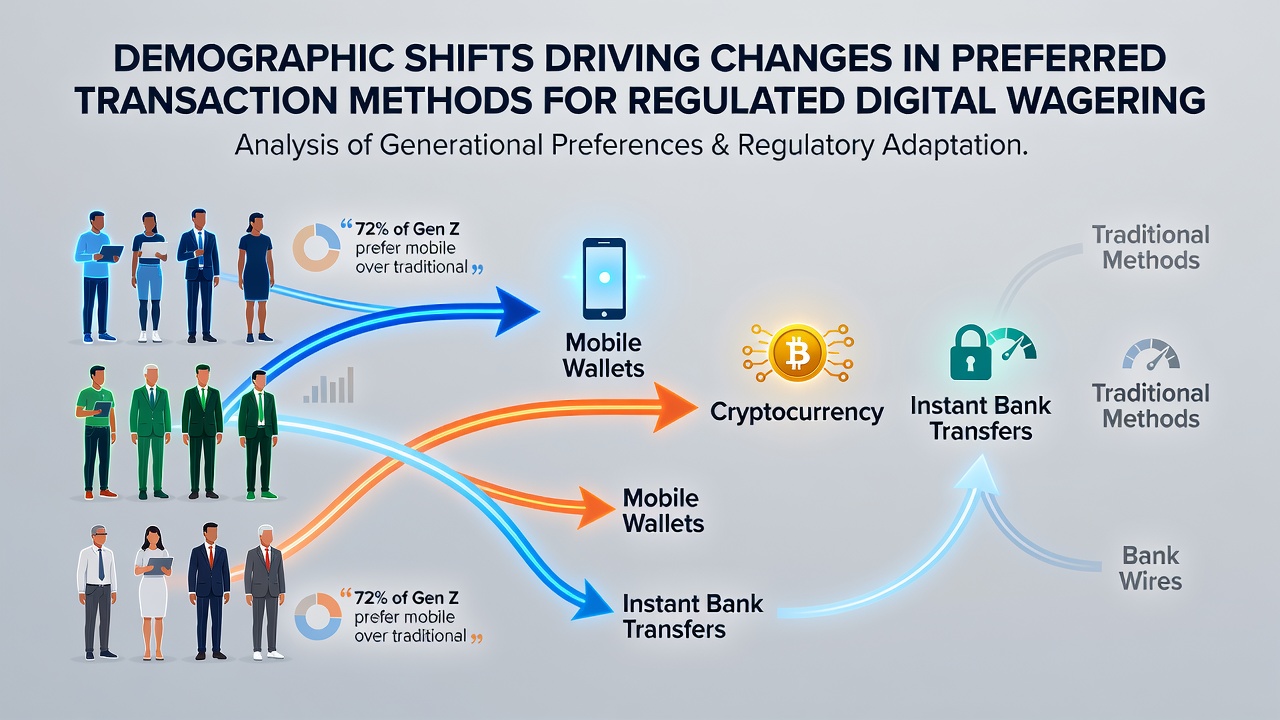
Younger adults continue to favor instant digital wallets and cryptocurrency transfers when funding accounts on regulated betting platforms, while older cohorts stick with traditional bank transfers and credit cards, according to patterns tracked across multiple U.S. states through mid-2026. These differences emerge from generational exposure to technology, varying levels of trust in financial apps, and distinct approaches to privacy that each age group brings to transaction decisions.
Age Groups Drive Distinct Preferences
Adults aged 21 to 34 now represent the largest segment of active accounts in states with mature online markets, and data shows they complete over 60 percent of deposits through e-wallets or crypto rails in August 2026. Researchers at several state gaming commissions note that this cohort grew up with mobile banking and peer-to-peer apps, which explains why they select methods that settle in seconds rather than days. Meanwhile, users over 55 maintain higher usage rates for direct bank links and debit cards, citing familiarity and established fraud protections that those services provide.
Income brackets also correlate with method selection, as higher-earning households spread across urban centers adopt multiple payment types within single accounts, switching between options based on bonus eligibility or withdrawal speed. Lower-income participants, by contrast, show stronger loyalty to prepaid cards and cash-based deposit services where those remain available under state rules.
Urban and Rural Patterns Emerge
City dwellers in states such as New Jersey and Pennsylvania complete a greater share of transactions via mobile wallets, while rural bettors still route more activity through credit unions and regional banks that maintain longer settlement windows. Observers attribute part of this gap to differences in broadband reliability and smartphone penetration rates that persist between metropolitan and non-metropolitan counties.
Geographic data released by the Illinois Gaming Board in early 2026 highlights how counties with higher percentages of college-educated residents also record elevated crypto adoption for both deposits and cashouts. Those figures align with broader national surveys that link education levels to comfort with blockchain-based assets.
Regulatory Frameworks Influence Method Availability
State laws determine which payment processors can operate inside licensed apps, and recent rule changes in several jurisdictions have expanded approved options to include stablecoins and instant bank transfers. Operators respond by updating interfaces to surface the fastest compliant methods first, which in turn shapes what users ultimately choose. Figures from the Alcohol and Gaming Commission of Ontario reveal similar shifts north of the border, where regulatory updates in 2025 opened the door to additional e-wallet providers and produced measurable upticks in their usage among younger account holders.
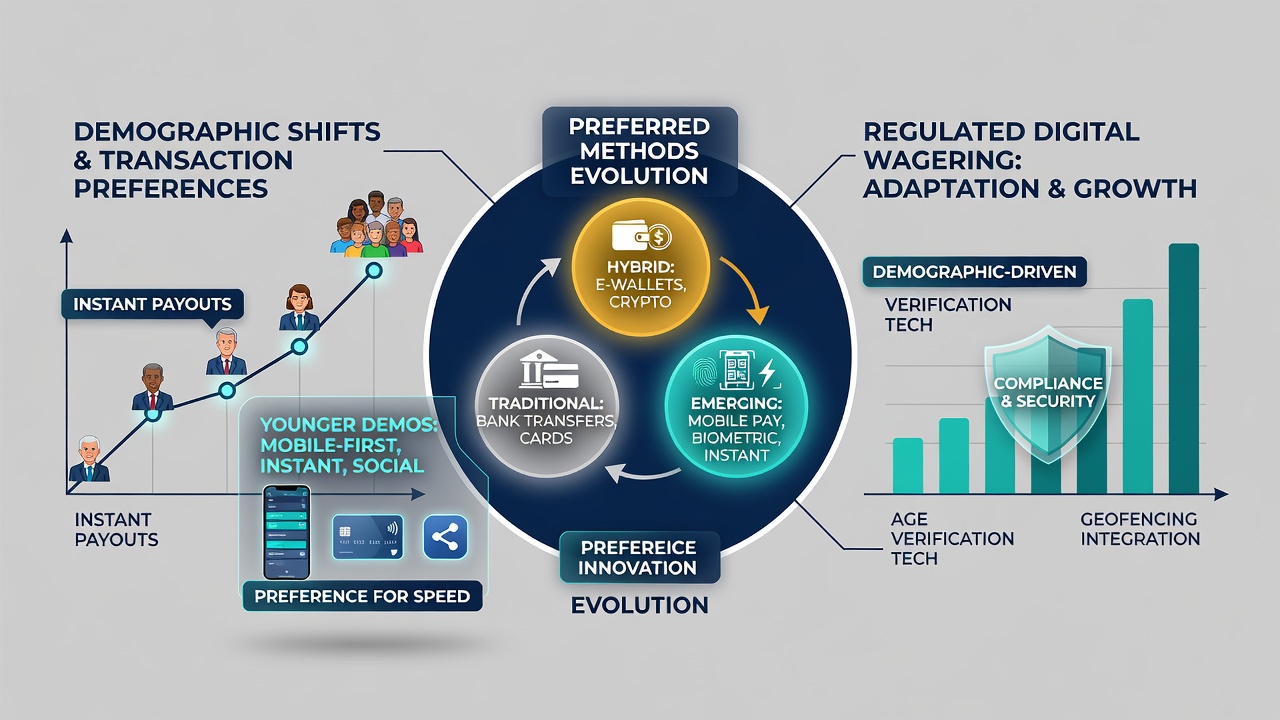
One study released by a Canadian research institute tracked account activity across three provinces and found that once instant withdrawal options became available, the 25-to-40 age group increased session frequency by nearly 18 percent within the first quarter. Older users showed smaller but still positive gains, primarily when platforms retained legacy bank transfer routes alongside newer choices.
Industry Data Tracks Ongoing Transitions
Payment processor reports compiled through August 2026 indicate that the share of cryptocurrency deposits in U.S. legal markets has risen steadily since 2023, yet remains concentrated among accounts opened after 2021. Traditional methods have not disappeared, instead they occupy smaller but stable portions of overall volume as new user cohorts enter the market. Trade associations representing gaming technology suppliers note that platforms now routinely display payment preferences based on user age and location data collected at registration, which further reinforces the observed demographic patterns.
Take one operator in Pennsylvania that adjusted its onboarding flow last year, and observers recorded an immediate increase in e-wallet selections among newly verified accounts under age 30. The same adjustment produced little change among longer-tenured users who had already established routines with credit cards.
Conclusion
Demographic factors continue to steer transaction method selection inside regulated digital wagering environments, with age, location, and education levels emerging as consistent predictors across multiple jurisdictions. As platforms and regulators refine available options through 2026 and beyond, these population-driven preferences are likely to keep evolving alongside technological and policy updates.