Minnesota Senate Moves to Felonize Prediction Markets: SF 4511 Passes Key Committee
Written by Cameron Zimmermann · Apr 15, 2026

Minnesota Senate Moves to Felonize Prediction Markets: SF 4511 Passes Key Committee
The Swift Advance of SF 4511
On April 14, 2026, the Minnesota Senate’s Commerce and Consumer Protection Committee greenlit SF 4511, a bill that slams the door on sports and election prediction markets by branding their operation or advertisement as felonies; those caught face steep fines alongside prison terms stretching up to five years, a move that observers see as a direct shot at curbing underground betting platforms proliferating across the state.
Committee members pushed the measure forward without much drama, sending it straight to the Finance Committee for deeper scrutiny, while backers highlight how prediction markets—platforms where users wager on outcomes like game scores or election results—blur lines between gaming and outright gambling, often skirting existing laws.
What's interesting here is the timing; with online betting exploding nationwide, Minnesota lawmakers zero in on these niche markets, treating them not as harmless speculation tools but as full-blown gambling operations ripe for felony charges.
Sponsors Step Up with Clear Targets
Democratic-Farmer-Labor Senator John Marty leads the charge as a primary sponsor, arguing that prediction markets exploit vulnerabilities in current regulations, luring Minnesotans into bets disguised as forecasts on everything from NFL matchups to presidential races.
Marty, alongside fellow sponsors, points to how these platforms advertise aggressively online, drawing in users who might not even realize they're crossing into illegal territory; the bill's language leaves no gray areas, explicitly criminalizing both running such sites and promoting them within state borders.
And it's not just rhetoric—enforcement voices amplify the push, with Jon Anglin, director of the Minnesota Department of Public Safety's Alcohol and Gambling Enforcement Division, sounding alarms that have propelled the bill's momentum.
Enforcement Division Flags Rising Threats
Anglin's testimony carries weight, as he details a surge in gambling activity flooding Minnesota, with his division identifying around 3,800 potentially illegal sites accessible to residents; these platforms, many hosted offshore, offer prediction markets on sports events and elections, pulling in bets that evade state oversight.
Data from the division underscores the scale—thousands of domains pop up daily, targeting locals through targeted ads and easy sign-ups, while Anglin notes how traditional gambling enforcement struggles to keep pace with tech-savvy operators who shift servers overnight.
Turns out, this isn't abstract worry; real Minnesotans access these sites via VPNs or proxies, placing wagers that fuel a shadow economy, and that's where the rubber meets the road for lawmakers who see SF 4511 as a necessary hammer.
Figures from Anglin's reports reveal not just volume but velocity, with traffic spiking during major events like the Super Bowl or midterm elections, prompting calls for felony-level deterrents to scare off both operators and advertisers.
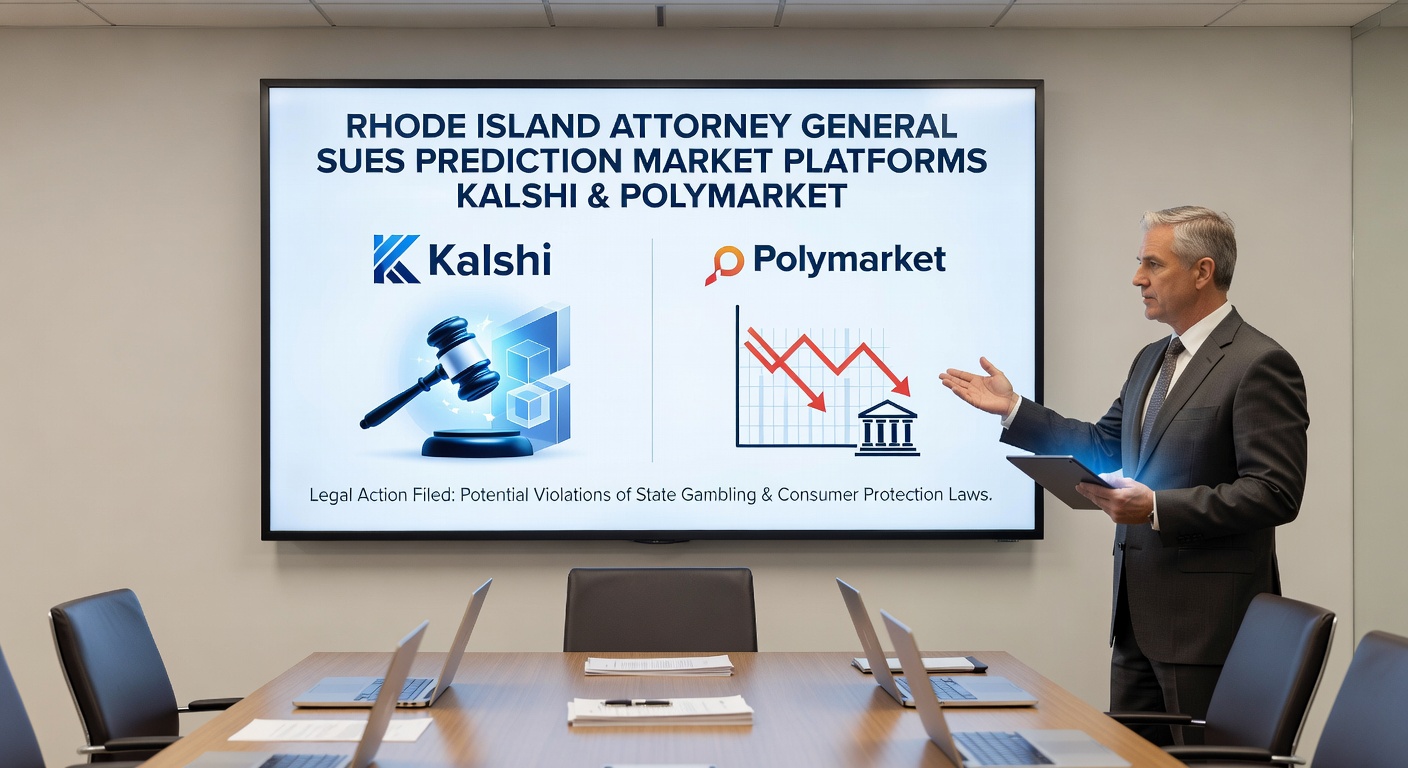
What Exactly Are Prediction Markets Facing the Ban?
At their core, sports prediction markets let users buy and sell shares in event outcomes—say, predicting the Kansas City Chiefs will cover the spread against the Vikings—while election versions do the same for political results, like which candidate wins a Senate seat; platforms like these have gained traction post-2020, blending finance lingo with betting thrills to attract savvy users.
But here's the thing: Minnesota's bill doesn't buy the "prediction" facade, classifying all such activities as gambling under state law, punishable severely to match the risks they pose to consumers hooked on volatile odds.
Experts who've tracked these markets observe how they differ from standard sportsbooks by using contract-based betting, yet lawmakers equate that innovation with illegality, especially since federal wires act and state statutes already frown on interstate wagers.
One case that observers reference involves similar platforms shuttered elsewhere, where operators faced charges after advertising to restricted states; Minnesota aims to preempt that chaos with upfront felony threats.
Sports Betting Legalization Hits a Wall
While SF 4511 charges ahead, a companion effort—SF 4139, aimed at legalizing online sports betting—fades into the background, with insiders deeming it unlikely to progress this session amid partisan divides and fiscal debates.
Proponents of legalization argue it could generate tax revenue north of $100 million annually (based on neighboring states' models), yet opposition lingers over addiction risks and market saturation; that said, the prediction markets ban steals the spotlight, revealing a selective crackdown where niche bets get the axe but broader sports wagering stalls.
According to a detailed breakdown on Covers.com, this duality underscores Minnesota's cautious stance—ban the unregulated fringes while traditional betting legalization gathers dust in committee drawers.
Path Forward and Broader Ramifications
Now in the Finance Committee's hands, SF 4511 faces budget reviews and potential amendments, but its felony framework suggests strong odds of full Senate passage before session's end; if enacted, enforcement ramps up via Anglin's division, which already monitors 3,800 sites and plans tech upgrades to block access.
People who've studied gambling policy note how this positions Minnesota alongside states like New York and Illinois, which have wielded similar bans to protect residents from offshore predators; yet challenges loom, as operators adapt with new domains or crypto payments, testing the law's teeth.
That said, the bill's backers remain optimistic, citing public safety gains—fewer illegal bets mean less money laundering and addiction fallout—while advertisers face the biggest chill, with platforms like Google and Meta likely tightening Minnesota-targeted campaigns.
It's noteworthy that election prediction markets draw extra scrutiny post-2024 cycles, where bets on tight races spiked volumes; Anglin's data shows those correlating with higher fraud reports, fueling the felony push.
So, as April 2026 unfolds, Minnesotans watch closely; will the Finance Committee echo the Commerce panel, or tweak the penalties downward?
Wrapping Up the Legislative Push
SF 4511's committee victory marks a pivotal moment in Minnesota's gambling wars, with felony charges for prediction markets signaling zero tolerance for digital end-runs around the law, driven by sponsors like Sen. John Marty and enforcement data from Jon Anglin pinpointing 3,800 illicit sites.
Meanwhile, SF 4139's retreat highlights stalled progress on regulated sports betting, leaving the landscape tilted toward prohibition over permission; observers anticipate Finance Committee debates will shape the session's close, potentially reshaping how Minnesotans engage with online wagers.
The reality is clear: amid rising activity, lawmakers prioritize crackdowns, ensuring prediction markets—sports or elections—stay firmly off-limits, with prison time as the ultimate deterrent.
For the latest on this and related bills, tracking sources like the Covers.com report offers solid insights into the evolving regulatory terrain.