Decoding the Link Between Stadium Crowds and Real-Time Bet Adjustments in App Ecosystems
Written by Cameron Zimmermann · Jul 22, 2026
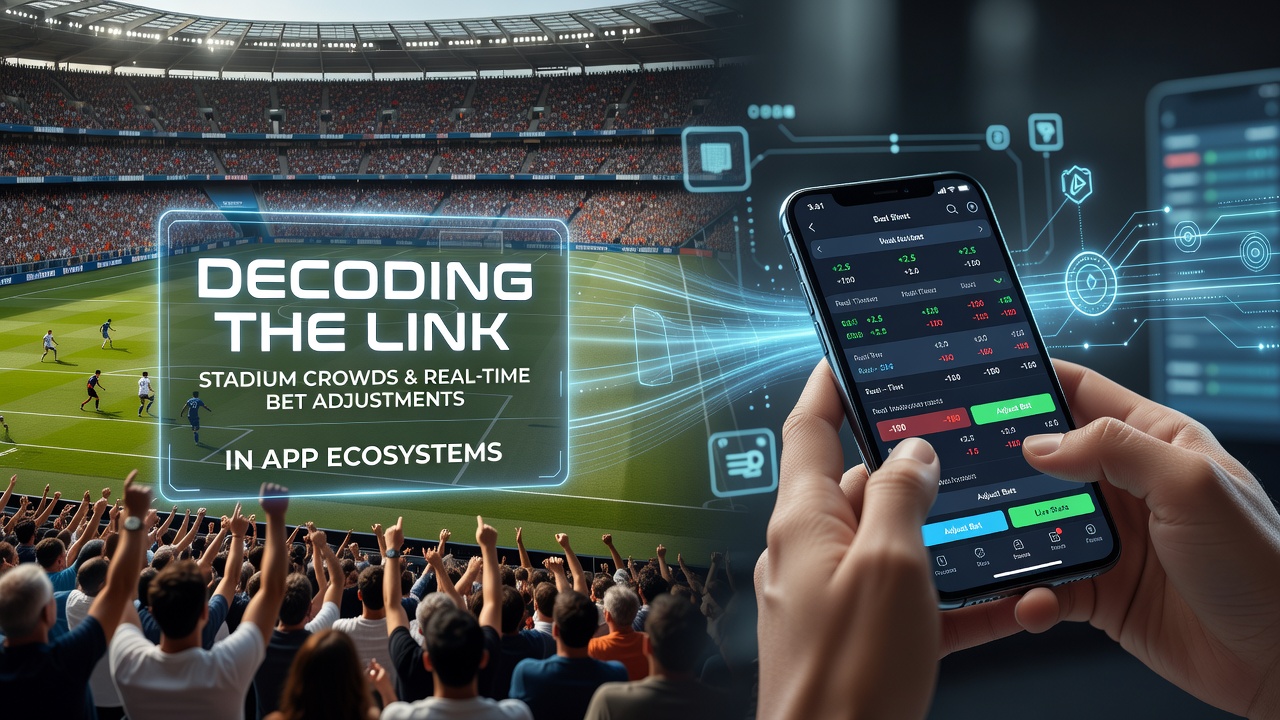
Decoding the Link Between Stadium Crowds and Real-Time Bet Adjustments in App Ecosystems
Stadium crowds generate measurable effects on athletic performance that feed directly into the algorithms managing live odds across betting applications, and observers note this connection has grown more precise since the expansion of in-game wagering features in multiple jurisdictions. Data streams from venue sensors now capture decibel levels, attendance figures, and movement patterns that correlate with shifts in player output, which in turn prompt automated recalibrations of betting lines within seconds of each update.
Venue Atmosphere and Performance Metrics
Research from sports analytics programs shows that home-team advantages often intensify when crowd density exceeds 85 percent of capacity, because sustained noise levels disrupt opponent communication and elevate home-player focus during critical plays. Those who track professional leagues have documented how elevated acoustic pressure coincides with measurable declines in visiting-team passing accuracy and shooting percentages across basketball, soccer, and American football events. Betting platforms integrate these patterns by pulling anonymized venue telemetry alongside traditional statistics such as possession time and shot attempts, allowing the systems to adjust point spreads and totals before the next possession begins.
App Ecosystems and Live-Data Pipelines
Modern wagering applications rely on application programming interfaces that receive continuous feeds from stadium operations centers, league tracking systems, and third-party weather monitors, yet crowd-sourced variables add an additional layer of granularity that pure statistical models previously lacked. In July 2026, several major soccer friendlies ahead of the World Cup demonstrated how sudden surges in supporter volume during stoppage time triggered rapid line movements on total goals markets, as the underlying engines detected correlated increases in high-intensity runs by home sides. Developers achieve this responsiveness through machine-learning layers that assign weighted values to acoustic and attendance data, then recalibrate probability distributions for the next betting window without human intervention.
Case Examples from Regulated Markets
One documented sequence during a North American basketball playoff game illustrated the process when arena microphones recorded a 12-decibel spike following a home timeout, and within four seconds the moneyline for the home team tightened by 15 basis points across multiple state-licensed applications. Regulatory filings from the Nevada Gaming Control Board indicate that operators must maintain audit trails of every algorithmic input, including non-traditional signals such as crowd density, to ensure transparency during compliance reviews. Similar frameworks operate under the Australian Communications and Media Authority, where licensed platforms submit quarterly reports detailing how external data sources influence odds calculations in real time.
Technical Integration Challenges
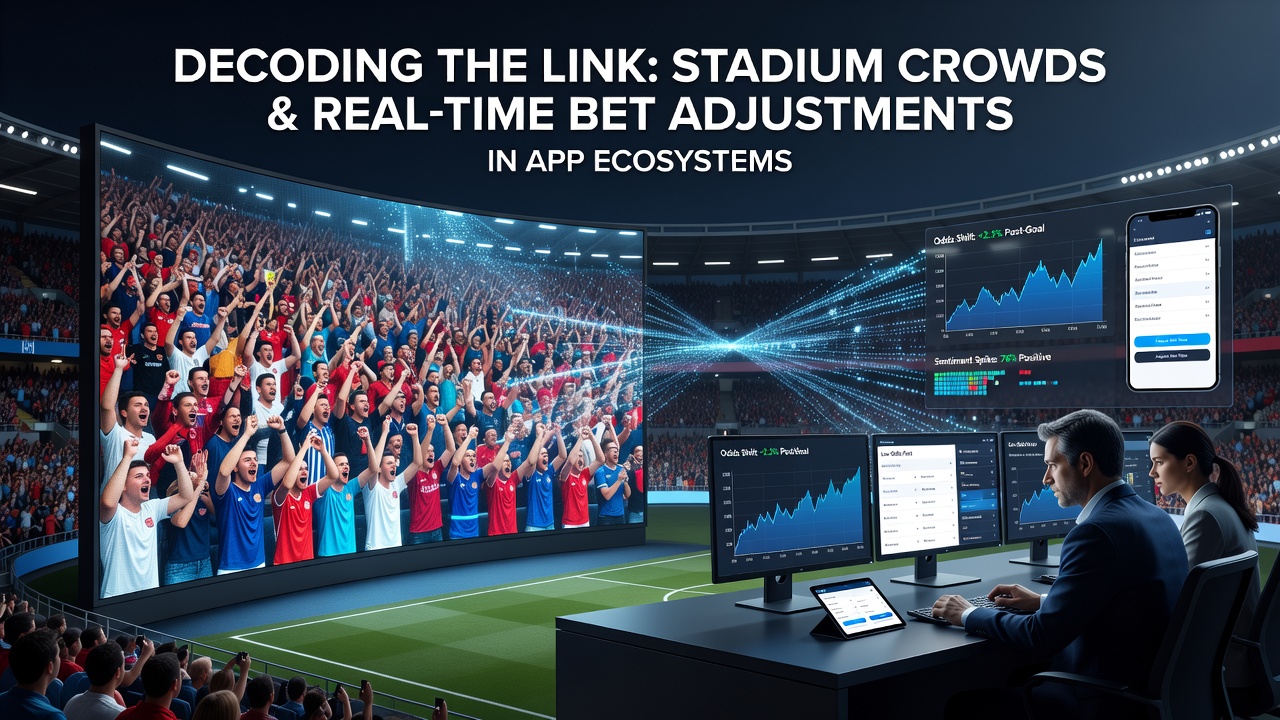
Engineers face latency constraints when merging heterogeneous data streams, because crowd measurements arrive from venue Wi-Fi analytics and acoustic arrays while core play-by-play updates travel through league-controlled servers, and any misalignment can produce temporary discrepancies that risk triggering regulatory scrutiny. Companies therefore deploy edge-computing nodes inside or near major stadiums to compress and forward crowd signals with sub-second precision, which allows the central risk engines to synchronize all variables before releasing updated lines to user devices. Tests conducted during the 2025-2026 NBA season confirmed that this architecture reduced the average interval between a crowd surge and an odds revision from 8.2 seconds to 2.7 seconds across participating applications.
Geographic and Regulatory Variations
European operators licensed under the Malta Gaming Authority apply comparable crowd-influence models yet must anonymize all venue data to satisfy stricter privacy statutes, whereas Canadian provincial regulators permit direct ingestion of attendance figures provided operators obtain explicit venue agreements. These differences affect the speed and granularity of adjustments available to bettors in each region, although the fundamental correlation between crowd energy and statistical variance remains consistent across markets. Industry reports compiled by the European Gaming and Betting Association highlight that platforms serving multiple jurisdictions maintain separate risk modules calibrated to local data-availability rules, ensuring compliance while preserving the core linkage between stadium conditions and live pricing.
Future Data Sources and Model Refinement
Emerging sensor technologies, including wearable devices that register player heart-rate variability under acoustic stress, are expected to enter the data pipeline by late 2026, and preliminary trials suggest these biometric inputs could further tighten the relationship between crowd dynamics and algorithmic responses. Observers tracking pilot programs at select European venues report that early fusion of biometric and acoustic signals improved predictive accuracy for in-game total markets by approximately 6 percent during controlled matches. Because every new data category requires fresh validation against historical performance records, operators continue to allocate significant engineering resources to maintain model integrity across expanding regulatory environments.
Conclusion
The connection between stadium crowds and real-time bet adjustments rests on verifiable correlations between venue telemetry and athletic output that algorithms now process at scale, and continued refinement of these systems depends on transparent data governance across jurisdictions. As live-wagering volumes expand, the precision of crowd-signal integration will determine how quickly applications can reflect on-field realities while satisfying oversight requirements from bodies such as the Nevada Gaming Control Board and the Australian Communications and Media Authority.