Decoding Synchronization Challenges Between Live Data Feeds and Multi-Operator Wagering Interfaces in Regulated Markets
Written by Yara Berger · Jul 17, 2026
Decoding Synchronization Challenges Between Live Data Feeds and Multi-Operator Wagering Interfaces in Regulated Markets
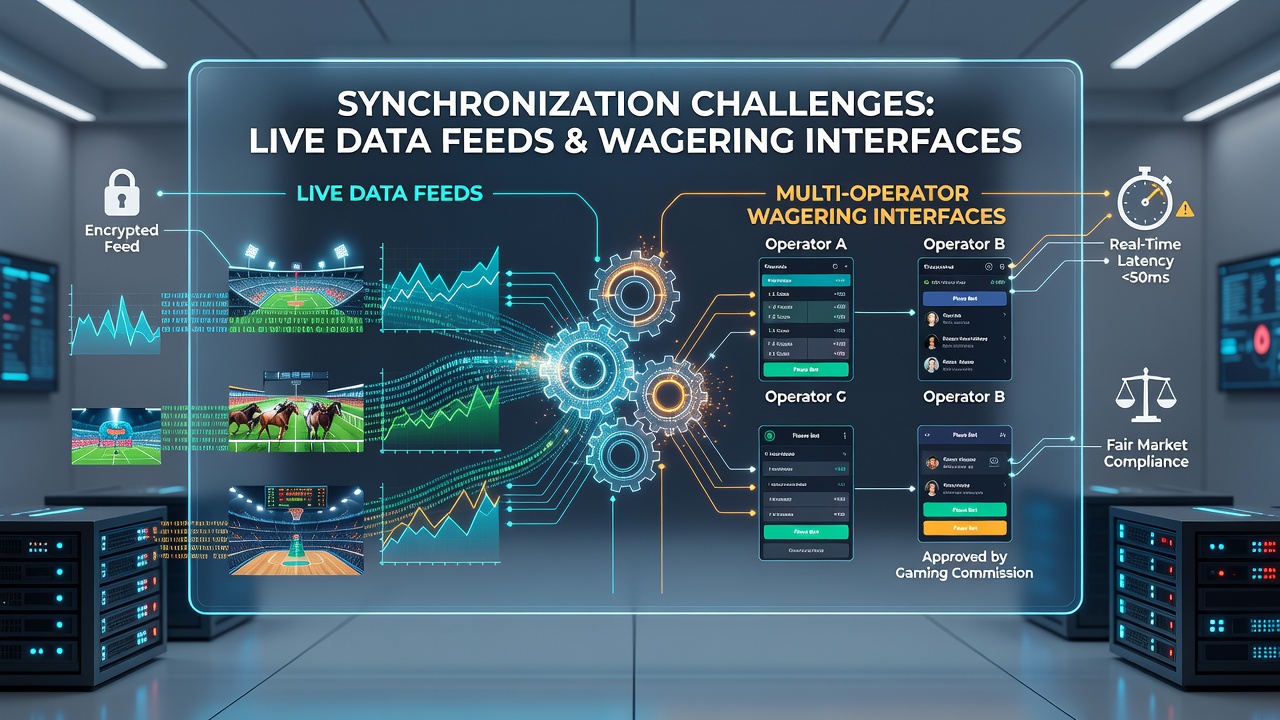
Data streams from sporting events and other live activities reach betting platforms through specialized feeds yet these streams must align precisely with interfaces operated by several companies in regulated environments and any mismatch creates delays or inconsistencies that affect both operators and users. Markets in North America and Europe continue to expand their digital wagering options while technology providers work to maintain consistent updates across separate systems and the pressure increases during high-volume periods such as major tournaments.
Core Elements of Live Data Integration
Live data arrives from official sources including league statistics providers and venue sensors then travels through application programming interfaces to reach different operators simultaneously. Each operator maintains its own front-end display and risk management tools so the same incoming information must translate into matching odds and event markers without deviation. When one system processes an update faster than another the result shows as differing prices or status indicators across platforms and users notice these gaps quickly during fast-moving contests.
Technical Friction Points in Multi-Operator Settings
Latency differences arise because operators rely on distinct server locations and data routing paths while some platforms apply additional validation layers required by local licensing rules. API formats vary between providers and this forces translation layers that add processing steps before information appears on user screens. In July 2026 several jurisdictions reported increased monitoring of these translation delays after volume spikes during international competitions revealed temporary mismatches that lasted several seconds on certain interfaces. Observers note that smaller operators often face greater hurdles because they depend on third-party aggregators rather than direct feed connections and this creates extra hops in the data journey.
Regulatory Expectations Around Data Consistency
Regulators require that all licensed operators present accurate and timely information to protect participants and maintain market integrity. Authorities in multiple Canadian provinces and Australian states have issued guidance that emphasizes audit trails for every data update and they conduct periodic reviews of how operators handle synchronization across their networks. These rules push companies to invest in redundant connections and monitoring dashboards that flag discrepancies in real time yet the cost of such systems varies widely depending on market size and operator scale. Research from industry associations shows that platforms serving several jurisdictions simultaneously encounter the most complex compliance burdens because each region may enforce slightly different timing thresholds and reporting formats.

Operational Consequences and Mitigation Approaches
When synchronization slips occur bettors may see conflicting information across apps and this leads some to question platform reliability while operators risk regulatory scrutiny or settlement disputes. Companies respond by deploying edge computing nodes closer to major data sources and by establishing failover protocols that switch to backup feeds within milliseconds. One study released by the European Gaming and Betting Association examined synchronization performance across several member platforms and found that those using unified middleware layers reduced average lag by measurable margins compared with fragmented setups. Another report prepared for regulators in New South Wales highlighted similar patterns and recommended standardized testing intervals for all operators handling cross-border feeds. Those who manage multiple brands under single licenses often consolidate their backend systems to reduce internal variation while still presenting separate consumer interfaces that must each receive synchronized updates.
Emerging Standards and Industry Collaboration
Trade groups and technology vendors continue to develop common protocols that aim to streamline how live information moves between sources and multiple front ends. These efforts include shared timestamp formats and agreed-upon priority rules for different event types so that high-impact changes propagate evenly. In practice some operators already participate in pilot programs that test real-time reconciliation tools across state lines and early results indicate fewer manual interventions during live events. Regulators watch these developments closely because consistent data handling supports broader goals around responsible gambling features that depend on accurate session tracking and limit enforcement. Data from the Responsible Gambling Council in Canada shows that platforms with tighter synchronization also report smoother integration of player protection tools that pause or flag activity based on live event triggers.
Conclusion
Synchronization between live data feeds and multi-operator wagering interfaces remains an ongoing technical and compliance task that grows more intricate as markets add new operators and event types. Regulated environments impose clear expectations for accuracy and timeliness yet the path to meeting those expectations involves continuous investment in infrastructure and coordination among diverse stakeholders. As volumes rise through 2026 and beyond the organizations that maintain reliable alignment across their systems will continue to navigate these challenges through a combination of technology upgrades and adherence to evolving regulatory standards.